The Future of Bulk Dispensing: 2026 Industry Predictions
Future-proof bulk dispensing: safer, smarter systems for 2026 and beyond
Bulk dispensing is changing fast.
Across agriculture, manufacturing, food production, and industrial processing, expectations around chemical handling are rising. Into 2026, bulk dispensing is no longer just about transferring liquid. It is about safety, compliance, efficiency, and confidence at scale.
For distributors, procurement teams, and facility managers, the coming years will favour those who invest in systems designed for long-term performance rather than short-term fixes.
Here are the key trends shaping the future of bulk dispensing.
1. Safety Will Continue to Drive Purchasing Decisions
Workplace safety expectations are increasing worldwide. Beyond compliance, organisations are under pressure to reduce exposure risks for operators handling hazardous liquids.
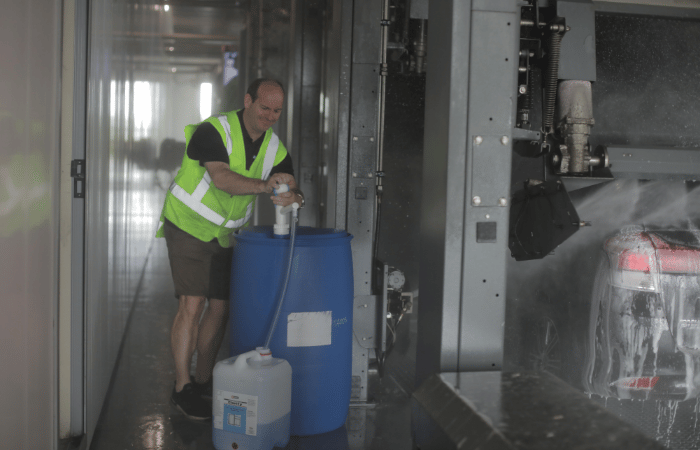
By 2026, dispensing setups that rely on loose fittings, improvised seals, or mismatched components will be increasingly unacceptable. Facilities are moving toward closed, secure systems that minimise splashing, vapour release, and manual handling risk. Regulators such as OSHA continue to emphasise exposure control, training, and safe chemical handling practices.
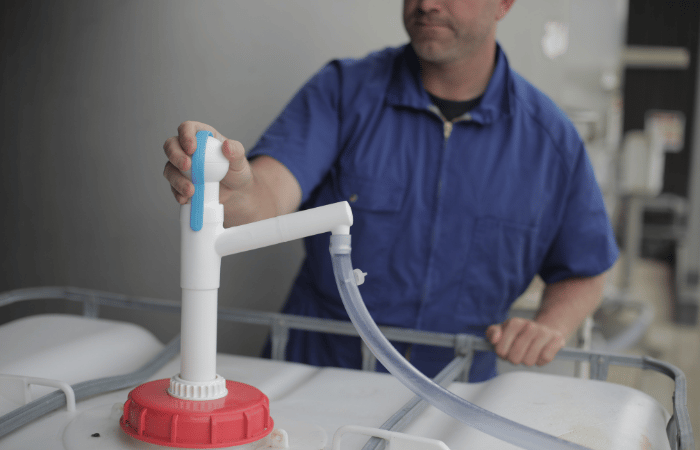
Secure IBC adaptor fittings paired with purpose-built drum pumps help create sealed systems that protect both people and product. When every connection is secure and chemically compatible, safety becomes repeatable rather than dependent on operator technique.
2. Chemical Compatibility Is No Longer Optional Knowledge
As chemical formulations diversify, material compatibility is becoming a critical procurement requirement.
By 2026, buyers will expect documented assurance that every component in the dispensing chain is suitable for the chemicals being transferred. Generic pumps and fittings without clear compatibility data are increasingly seen as a risk.
This shift is driving greater emphasis on upfront specification and informed purchasing. Choosing the right materials from the outset reduces premature pump failure, contamination risk, and unplanned downtime. Resources such as our Chemical Compatibility Guides are becoming essential tools in the decision-making process.
3. Standardisation Will Replace Improvisation
Inconsistency remains one of the biggest sources of risk and inefficiency in bulk chemical handling.
Different container types, outlet sizes, and locally sourced fittings often lead to on-site workarounds. By 2026, leading facilities will move toward standardised dispensing setups that work consistently across containers, locations, and teams.
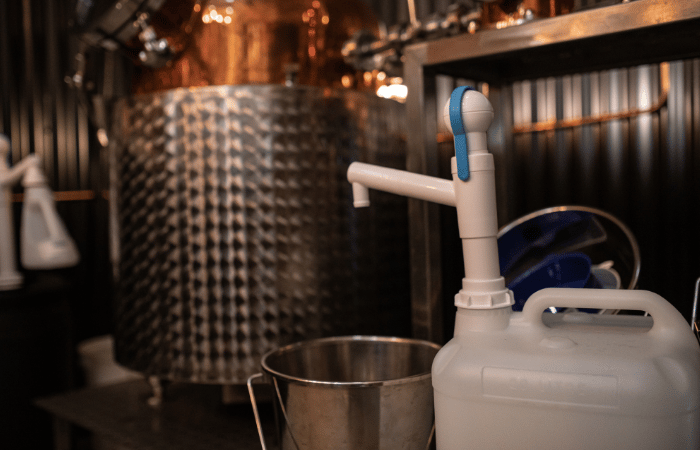
IBC adaptor fittings play a key role here. When combined with reliable drum pumps such as the Ezi-action Drum Pump 1000 or 220 IBC model, facilities can create repeatable systems that simplify training, reduce errors, and improve operational consistency. Clear guidance, supported by our Adaptor Fittings Guide, further reduces risk and supports correct use.
4. Waste Reduction Will Become a Measurable KPI
Chemical waste is shifting from an operational concern to a tracked performance metric. As sustainability reporting tightens across global supply chains, chemical waste is increasingly being tracked as a measurable performance metric rather than a purely operational issue.
Spills, over-dispensing, and residual product left in drums or IBCs directly contribute to material loss that affects cost, safety, and environmental outcomes. As organisations place greater focus on efficiency and ESG performance, reducing waste at the point of dispensing is becoming a practical and measurable priority.
Dispensing systems that provide controlled flow, secure connections, and accurate transfer help reduce waste at the source. Improving dispensing accuracy is one of the most direct ways to lower costs without changing the chemistry itself.
5. Procurement Will Focus on Total System Performance
Procurement decisions are increasingly based on total system performance rather than individual components.
Instead of buying pumps, fittings, and safety accessories in isolation, teams are evaluating complete dispensing solutions. This includes equipment compatibility, safety measures, documentation, and long-term supplier support, alongside lifecycle cost and risk management.
Suppliers who can offer complete, well-supported systems are better positioned as long-term partners. For distributors, this shift creates opportunities to deliver higher-value solutions that address real operational challenges for end users.
Preparing for 2026 Starts Now
The future of bulk dispensing is not about chasing trends. It is about making informed decisions that improve safety, reduce waste, and deliver consistent performance year after year.
By investing in compatible systems, secure connections, and proven dispensing solutions today, organisations can future-proof their chemical handling operations well beyond 2026.
If you are reviewing your current setup or planning ahead for growth, we can help you select the right drum pumps, IBC adaptor fittings, and safety accessories for your application.
Contact us today and talk to our team about reliable, chemical-resistant dispensing solutions designed to support safe, consistent bulk handling across industries.